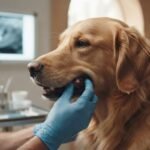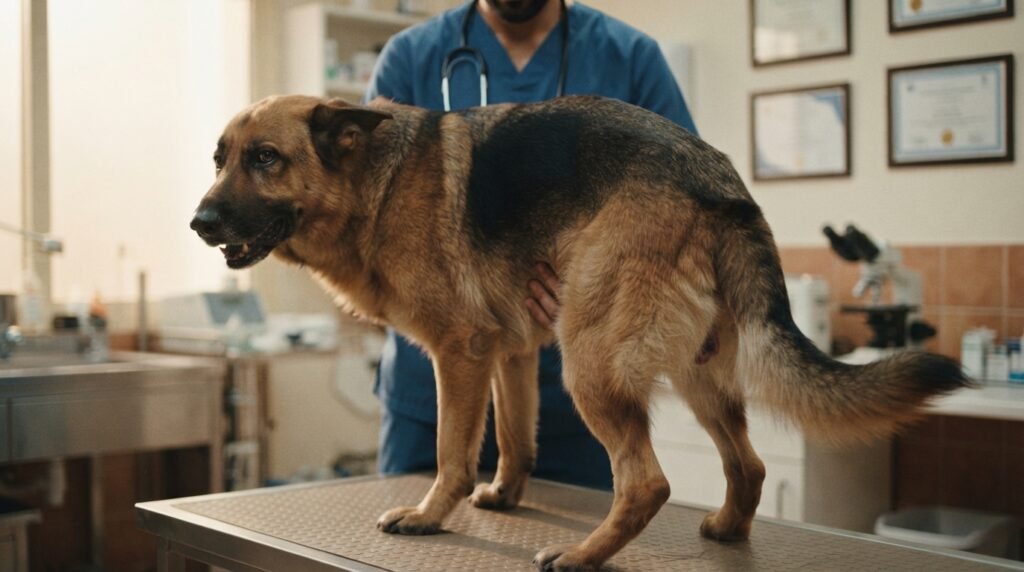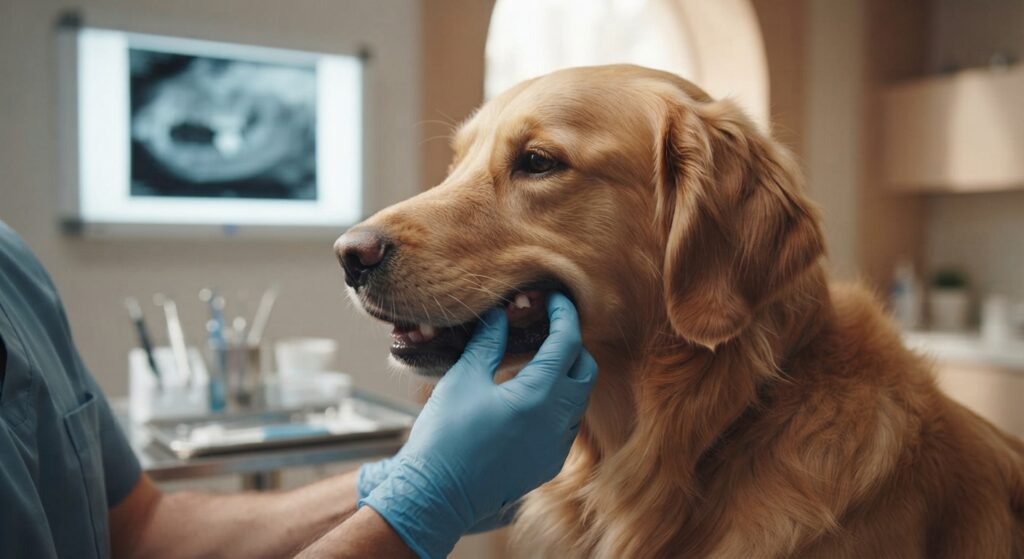
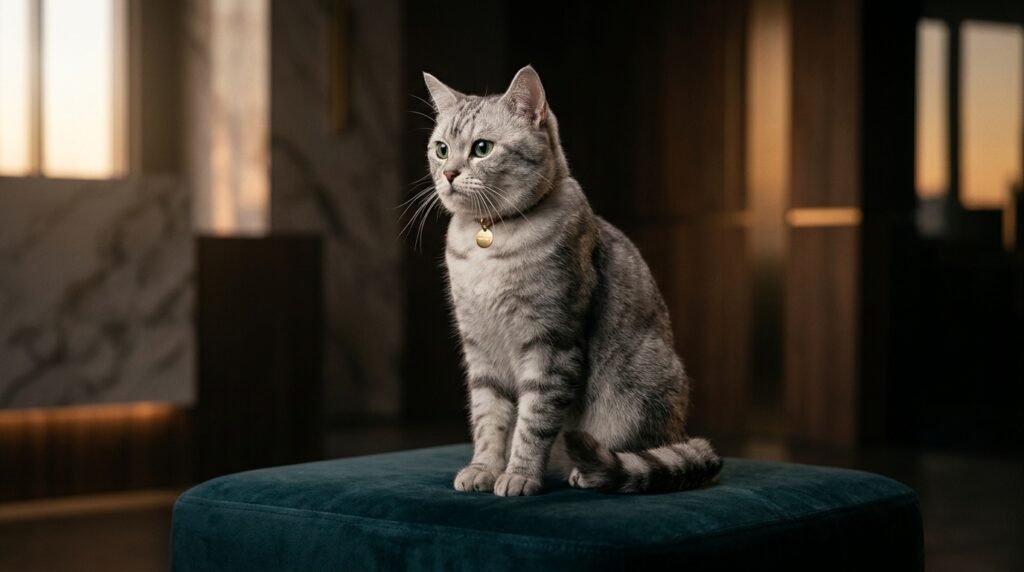
Clinical grooming in dogs and cats, where routine care becomes an opportunity for closer clinical observation.
A dog arrives for grooming. The coat looks healthy, the owner reports no concerns, and there is no obvious reason to suspect a medical problem.
But as the hair is parted, a small area of thickened skin becomes visible beneath the foreleg. There is mild redness between the toes. One ear has accumulated considerably more debris than the other.
None of these findings necessarily explains a disease. Nor would they always be visible during an ordinary interaction at home.
What matters is that they have been noticed before the bath, clipping or cleaning changes their appearance.
In clinical grooming, the condition of the skin is considered before the appearance of the coat.
The detail we prefer to see before the shampoo
A coat can conceal more than it reveals.
Dense hair may obscure papules, crusts, small nodules and localised hair loss. In long-coated animals, the first indication of a problem may be an unexpected change in skin texture rather than something visible.
During a pre-grooming assessment, we pay attention to the distribution of these abnormalities.
Redness affecting both axillae and the interdigital spaces carries a different clinical significance from a single irritated patch beneath a tight mat.
A small lump that appears unchanged may still warrant documentation and veterinary assessment. A greasy coat with recurrent odour may raise questions about underlying skin disease rather than inadequate washing.
These distinctions cannot be made from coat appearance alone.
When cleaning could remove the evidence
One of the less obvious considerations in veterinary dermatology is the timing of examination.
Crusting, surface debris, discharge and odour can provide useful information about the underlying condition. Bathing, clipping or ear cleaning may alter or remove some of those findings before they are assessed.
In a dog with recurrent skin inflammation, for example, a veterinarian may recommend skin cytology to investigate bacterial or yeast overgrowth. In another patient, ear cytology may help establish the nature of persistent discharge.
Neither investigation should be replaced by assumptions based on appearance or smell.
This is why, when we identify a potentially significant abnormality, we may recommend veterinary assessment before proceeding with the planned grooming.
A clean ear is not necessarily a healthy ear. And a freshly washed coat does not establish that the skin beneath it is normal.
The response to handling is also a finding
There is another aspect of grooming that rarely appears in before-and-after photographs.
A dog that tolerates brushing across most of its body may suddenly withdraw when the lower back is touched. A cat may resist handling around a particular paw despite remaining comfortable elsewhere.
These responses deserve attention, although they do not automatically indicate a specific condition.
Pain, inflamed skin, joint discomfort, anxiety and previous handling experiences can produce superficially similar reactions.
At Hub Clinics, we consider the animal’s response alongside what can be seen and felt. When resistance appears localised or unusual, the appropriate decision may be to modify, postpone or stop part of the grooming session pending veterinary evaluation.
Completing the haircut should not take priority over understanding why an animal is uncomfortable.
Where grooming ends and clinical judgement begins
Clinical grooming does not mean that every pet needs diagnostic testing or veterinary treatment during a routine appointment.
It means recognising when routine care is appropriate and when a finding changes that decision.
The groomer’s responsibility is to notice, document and communicate abnormalities. The veterinarian’s responsibility is to determine their clinical significance and whether investigation or treatment is warranted.
That distinction is important. Grooming can create an opportunity for earlier recognition, but it is not a substitute for a veterinary examination.
For dogs and cats attending Hub Clinics in Dubai and Sharjah, we approach grooming as part of their wider care, with attention to the skin, coat, ears, paws and comfort during handling.
If your pet has recurring skin irritation, persistent ear odour, unusual sensitivity to grooming or a coat that has changed without an obvious explanation, a veterinary assessment may be appropriate before the next session.
Because the most valuable observation during grooming is not always how the animal looks afterwards.
Sometimes, it is what we discover before we begin.
Hub Clinics — For the life you share.
Hub Pet Veterinary Clinic | Arjan, Dubai
Hub Vet Veterinary Clinic | Sharjah